

Top Electrician Schools in New Jersey: Comparison Guide
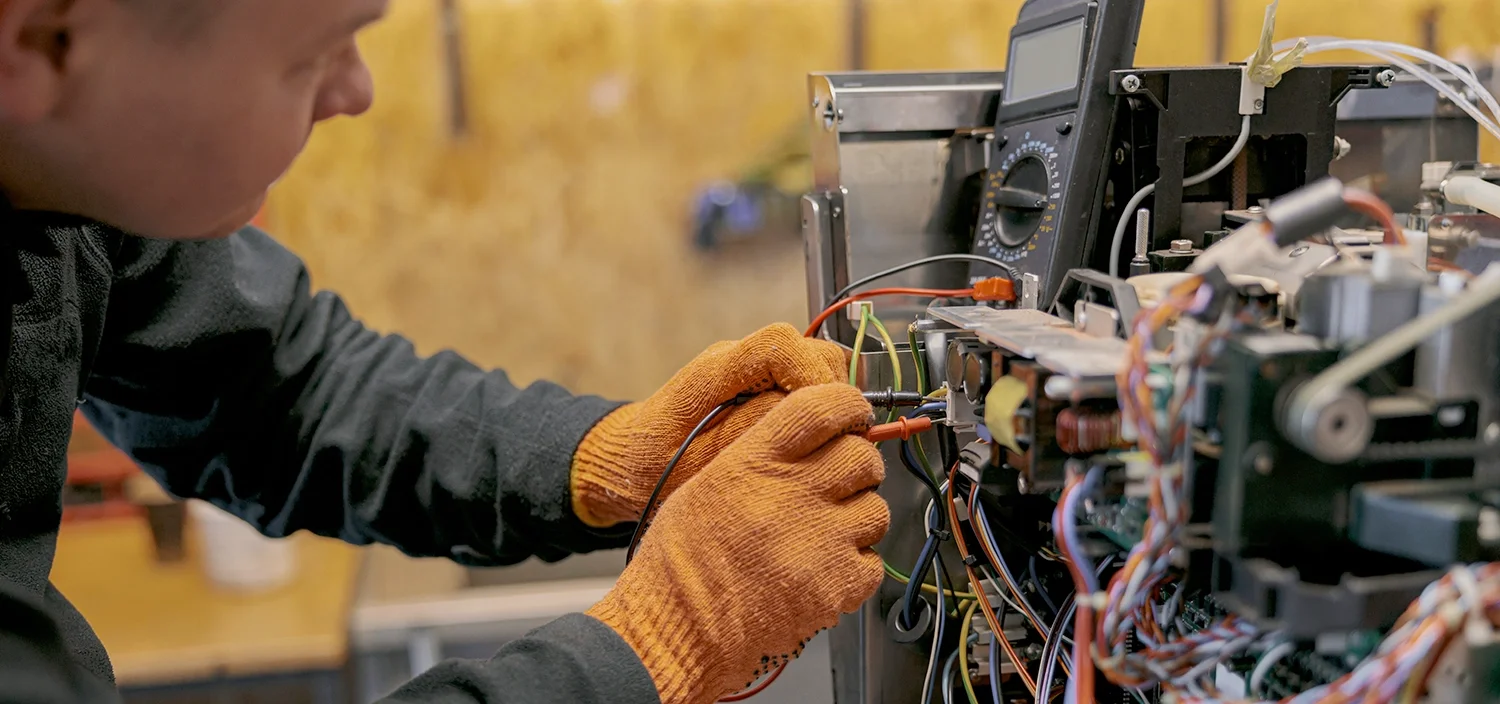
The electrical trade is a vital part of the New Jersey economy and its infrastructure. From residential housing to commercial buildings, skilled electricians are needed everywhere. As this work is essential to every home and building, the need for qualified professionals is strong regardless of economic shifts.
The demand for electricians continues to rise due to a statewide infrastructure boom, the need to update aging systems, and the rapid expansion of renewable energy and EV charging stations. At the same time, older electricians are retiring, leaving the industry with a shortage of skilled workers. This is also a career that is difficult for artificial intelligence (AI) or automation to replace, making it a future proof path.
New Jersey has strict requirements to become a licensed electrician. Prospective students should familiarize themselves with the state's specific guidelines regarding required education and field experience. Starting your career by selecting the right school is a critical first step, as you need a program that provides high quality training while meeting the state's educational standards.
When comparing these programs, it is important to look closely at several key factors, including tuition costs, program length, class sizes, and the credentials earned upon graduation. In this comprehensive guide, we provide a data driven comparison of the top electrician schools in New Jersey to help you make an informed decision about your education and your future career.
The Top Electrician Schools and Training Programs in New Jersey
Students pursuing a career in the electrical trade have access to a variety of quality educational options. The top electrician schools in New Jersey include Lincoln Tech, The Training Center, Pennco Tech, and Hohokus School of Trade (Eastwick College), and Fortis Institute. While trade schools prioritize comprehensive hands-on learning and job readiness, New Jersey also maintains a network of county vocational technical (VoTech) schools that offer programs for local residents.
Below is a directory of the top trade schools and Vo-Tech programs providing electrician training in New Jersey.
Electrician Trade Schools
Lincoln Tech
The Training Center
Pennco Tech
HoHoKus School of Trade (Eastwick College)
Fortis Institute
County Vo-Tech Schools
Union County Vocational-Technical School
Bergen County Technical Schools
Burlington County Institute of Technology
Middlesex County Magnet Schools
Mercer County Technical Schools
Summary Comparison of NJ Electrician Programs
To provide a clear overview of the educational landscape, the following table compares the state's top electrician programs across the most critical enrollment variables. Detailed breakdowns of each category, including cost, length, and credentials, are provided in the specific sections below.
| NJ Electrician School | Total Program Cost | Program Length | Total Hours | Student-to-Teacher Ratio | Credentials & Certifications Earned |
|---|---|---|---|---|---|
| The Training Center | $15,000 | 10 Months (morning, afternoon, or evening) | 800 hours | 10:1 | Electrician Certificate, OSHA-30, NFPA 70E |
| Fortis Institute | $17,977 - $22,182 | 12 Months (day or evening) | 960 hours | 21:1 | Electrician Diploma |
| Bergen County Technical School | $18,500+ | 12 Months | 1,200 hours | 19:1 | Electrician Certificate, OSHA-10 |
| Pennco Tech | $20,095 | 6 Months (day) or 18 Months (evening) | 900 hours | 24:1 | Electrician Certificate, OSHA-10 |
| HoHoKus School of Trade (Eastwick College) | $23,660 | 9 Months (day) or 18 Months (evening) | 900 hours | 12:1 | Electrician Diploma, OSHA-10, 1-Year NJIEC Apprenticeship Credit |
| Lincoln Tech | $33,249 - $34,139 | 12 Months (day, afternoon, or evening) | 1,200 hours | 28:1 | Electrician Certificate, OSHA-30, NCCER exam prep (Core, Level 1 & 2 Electrical) |
How Much Does Electrician School Cost in New Jersey?
When budgeting for an electrician training program, it is important to look beyond the base tuition. Many schools advertise a lower initial tuition rate but later require students to pay out of pocket for mandatory add-ons. To calculate your true educational investment, be sure to account for all additional expenses, including registration, technology, textbooks, uniforms, and tool kits.
While some institutions add these expenses on top of their advertised tuition, others provide a transparent, all-inclusive rate. For institutions operating multiple locations, total costs are presented as a range to reflect campus-specific pricing. Below is a comparison of the total program costs for the top electrician schools in New Jersey:
| NJ Electrician Training Program | Total Program Cost |
|---|---|
| The Training Center | $15,000 |
| Fortis Institute | $17,977 - $22,182 |
| Bergen County Technical School | $18,500+ |
| Pennco Tech | $20,095 |
| HoHoKus School of Trade (Eastwick College) | $23,660 |
| Lincoln Tech | $33,249 - $34,139 |
How Long Is Electrician School in NJ?
Most electrician programs in New Jersey are fast tracked, allowing students to go from a beginner to a job ready professional in months instead of years. When evaluating program length, prospective students should look at multiple factors to understand the full scope of the timeline and exactly how those hours are spent. Each institution dictates the total months and total instructional hours required to graduate and receive your certificate or diploma.
Electrician training blends classroom lecture with direct lab instruction. While many traditional programs feature a standard split of around 50% classroom lectures and 50% hands-on application, modern accelerated programs lean significantly heavier into workshop training. Some programs utilize a 75% / 25% split favoring hands-on learning. When comparing schools, it is important to evaluate this ratio. Given the physical nature of the industry, extensive practical application is a critical component to learning the trade.
Class schedule flexibility is another major factor that impacts how quickly you can complete a program. Working adults should look for trade schools that offer multiple schedule options, including morning, daytime, or evening classes. Choosing whether to attend full-time or part-time will directly determine your graduation timeline. This flexibility allows students to balance jobs and personal responsibilities while completing their education. Below is a comparison of program lengths and required instructional hours:
| NJ Electrician Training Program | Program Length | Total Hours |
|---|---|---|
| Pennco Tech | 6 Months (day) or 18 Months (evening) | 900 hours |
| HoHoKus School of Trade (Eastwick College) | 9 Months (day) or 18 Months (evening) | 900 hours |
| The Training Center | 10 Months (morning, afternoon, or evening) | 800 hours |
| Lincoln Tech | 12 Months (day, afternoon, or evening) | 1,200 hours |
| Fortis Institute (Wayne) | 12 Months (day or evening) | 960 hours |
| Bergen County Technical School | 12 Months | 1,200 hours |
Are Electrician Programs Online or In-Person?
Given the extensive physical skills required in the electrical trade, the vast majority of training programs are conducted strictly in-person. It is extremely difficult for online classes to replicate the hands-on experience of bending conduit, wiring panels, and safely handling live circuits in a supervised workshop. However, some institutions are beginning to adopt a hybrid model, shifting a portion of the classroom learning and textbook coursework online to provide additional flexibility.
How Big Are Classes at Electrician Schools?
Class size is another important variable when evaluating different training programs. Class size is formally measured by an institution's student-to-teacher ratio (sometimes listed as the student-to-instructor ratio). This metric shows how many students are assigned to a single educator during a lecture or lab session.
In vocational education, this ratio directly impacts the learning environment. A lower ratio naturally provides more instructor support and personalized learning during the program. For the electrical trade, this direct oversight is especially important. Learning complex physical skills, such as wiring intricate breaker panels, practicing precise conduit bending, and safely testing live circuits, requires close supervision to ensure both accuracy and safety. Here is a breakdown of the student-to-teacher ratios at each school:
| NJ Electrician School | Student-to-Teacher Ratio |
|---|---|
| The Training Center | 10:1 |
| HoHoKus School of Trade (Eastwick College) | 12:1 |
| Bergen County Technical School | 19:1 |
| Fortis Institute (Wayne) | 21:1 |
| Pennco Tech | 24:1 |
| Lincoln Tech | 28:1 |
What Credentials Do You Graduate With From Electrician School?
The primary objective of an electrician training program is to prepare students for entry-level employment in the trade. Each program's curriculum is designed to take you from a beginner to a field-ready professional who can immediately secure a role as an electrician's helper or step directly into an apprenticeship, a requirement for eventual licensing in New Jersey.
Upon successful completion, the top electrician schools in NJ all award a foundational academic credential, typically a certificate or diploma, proving you have received formal training.
While a standard certificate proves you completed your education, programs differentiate themselves by the extra industry certifications they award upon graduation. Many schools integrate highly valued safety credentials directly into their curriculum so you graduate with a stronger resume. For example, earning safety certifications governed by the Occupational Safety and Health Administration (OSHA) provides the critical technical foundation required to safely operate on an active job site. Graduating with an OSHA 10-Hour or OSHA 30-Hour card, alongside other specialized electrical safety standards, demonstrates to employers that you are thoroughly prepared for the realities of the industry.
Beyond the credentials you earn, another factor to consider is how a program supports your transition into the workforce. Most schools offer career services designed to prepare you for job placement. This typically includes assistance with professional resume writing, mock interviews, and developing workplace soft skills. Additionally, some institutions build relationships with local companies to help connect graduates with job opportunities. While immediate employment is never guaranteed, utilizing these career services can provide a helpful advantage when applying for an entry-level electrician position. The following table outlines the specific credentials earned upon graduation for each school:
| NJ Electrician Training Program | Credentials & Certifications Earned |
|---|---|
| Lincoln Tech | Electrician Certificate, OSHA-30, NCCER exam prep (Core, Level 1 & 2 Electrical) |
| The Training Center | Electrician Certificate, OSHA-30, NFPA 70E |
| HoHoKus School of Trade (Eastwick College) | Electrician Diploma, OSHA-10, 1-Year NJIEC Apprenticeship Credit |
| Bergen County Technical School | Electrician Certificate, OSHA-10 |
| Pennco Tech | Electrician Certificate, OSHA-10 |
| Fortis Institute (Wayne) | Electrician Diploma |
What Do You Learn in Electrician School?
Electrician training programs in NJ consist of two components: classroom and workshop learning.
In the classroom, students build a foundational understanding of electrical theory, covering concepts like voltage, current, resistance, and Ohm's Law. Coursework heavily emphasizes the National Electrical Code (NEC) and local New Jersey state codes, teaching students how to interpret and legally apply these standards to real-world scenarios. Additional classroom topics typically include blueprint reading, construction math, load calculations, and critical safety regulations.
The workshop component is where students put classroom theory into direct action. Training labs often simulate active construction environments, allowing students to wire residential framing from rough-in to finish. In these labs, you will learn to install service panels, receptacles, switches, and lighting circuits. Bending and installing conduit is another major focus, requiring students to measure and cut materials like EMT and PVC using hand benders. Instructors also train students to safely operate essential diagnostic tools, such as multimeters and voltage testers, to troubleshoot faulty systems.
By graduation, students possess the core physical skills employers expect from a first-year apprentice, from pulling wire and bending conduit to diagnosing complex electrical errors.
Understanding Curriculum Scope
When researching schools, it is important to review each institution's specific curriculum to understand the scope of their training. While the majority of programs cover the traditional residential and commercial wiring required for general electrical work, some curriculums specialize strictly in low-voltage electronic systems, such as security, telecommunications, and fire alarms. If your ultimate goal is to become a fully licensed residential or commercial electrician, you should ensure the program covers a broad spectrum of training rather than just a single specialty.
How to Become an Electrician in New Jersey
To legally operate as a professional electrician in New Jersey, you must obtain a state license. Earning your Electrical license requires a strict combination of state-approved education and documented field experience, as mandated by the New Jersey Board of Examiners of Electrical Contractors. The licensing process follows four distinct steps:
Step 1: Complete the Required Education
To qualify for a license, the State Board requires a minimum of 576 hours of Related Technical Instruction (RTI). Completing an NJ state-approved Electrician Training Program allows you to satisfy this full educational requirement prior to beginning an apprenticeship.
Step 2: Complete Your Electrical Apprenticeship
You must work for a minimum of four years (8,000 hours) under the direct supervision of a licensed Electrical Contractor to gain experience. Graduates who complete their foundational education upfront in Step 1 can satisfy the classroom requirement early. This allows apprentices to focus entirely on accumulating their required field hours without needing to balance full-time employment with mandatory evening coursework.
Step 3: Register as a Journeyman
Once you have documented your 8,000 field hours and your 576 education hours, you are eligible to register as a Qualified Journeyman Electrician with the New Jersey Division of Consumer Affairs. You must hold this status and work for one full year as a Journeyman to meet the final experience requirement.
Step 4: Pass the Electrical Contractor Exam
Once you have satisfied the education and five years of total field experience, you are eligible to take the three-part state exam. Passing this exam allows you to become a Licensed Electrical Contractor and legally operate your own business.
Choosing the Right Electrical Program for Your Future
Selecting where to begin your electrical education is a major career decision. As outlined in the comparisons above, there is no single "best" school; rather, there is the program that best aligns with your personal schedule, budget, and professional goals.
When making your final decision, carefully weigh the variables that matter most to your learning style. If you thrive with direct supervision, prioritize programs with low student-to-teacher ratios. If you want to maximize your resume before entering the field, look for curriculums that include built-in safety and industry credentials. Most importantly, ensure the institution’s curriculum matches your long-term licensing goals, whether that means comprehensive residential and commercial wiring or specialized low-voltage training, and provides the required Related Technical Instruction (RTI) hours to satisfy the state's educational requirements for licensure. By prioritizing these key metrics, you can confidently choose the right training to build a successful career in the industry.
Data Sources and Methodology
To ensure the highest level of accuracy, the data presented in this guide was compiled through a multi-source verification process using official school websites, published program catalogs, and federal education databases. Program lengths, instructional hours, credentials, and total costs were sourced directly from each institution’s official website and their most recently published student course catalogs. Student-to-teacher ratios were pulled from official school disclosures, or when unpublished, from the Integrated Postsecondary Education Data System (IPEDS), a federal database maintained by the U.S. Department of Education's National Center for Education Statistics. It should be noted that IPEDS ratios reflect institutional averages across all programs at a given campus. Additionally, state licensing requirements, including field hours and educational benchmarks, were verified directly through the New Jersey Board of Examiners of Electrical Contractors and the New Jersey Division of Consumer Affairs.
