Plumbing Materials 101: Copper vs. PEX vs. PVC vs. CPVC
A critical part of a professional plumber’s job is understanding exactly which materials are engineered for specific applications. When you are designing a system to bring highly pressurized potable water into a building, or safely routing hazardous waste out of it, choosing the correct pipe is the difference between a system that lasts fifty years and one that fails in five.
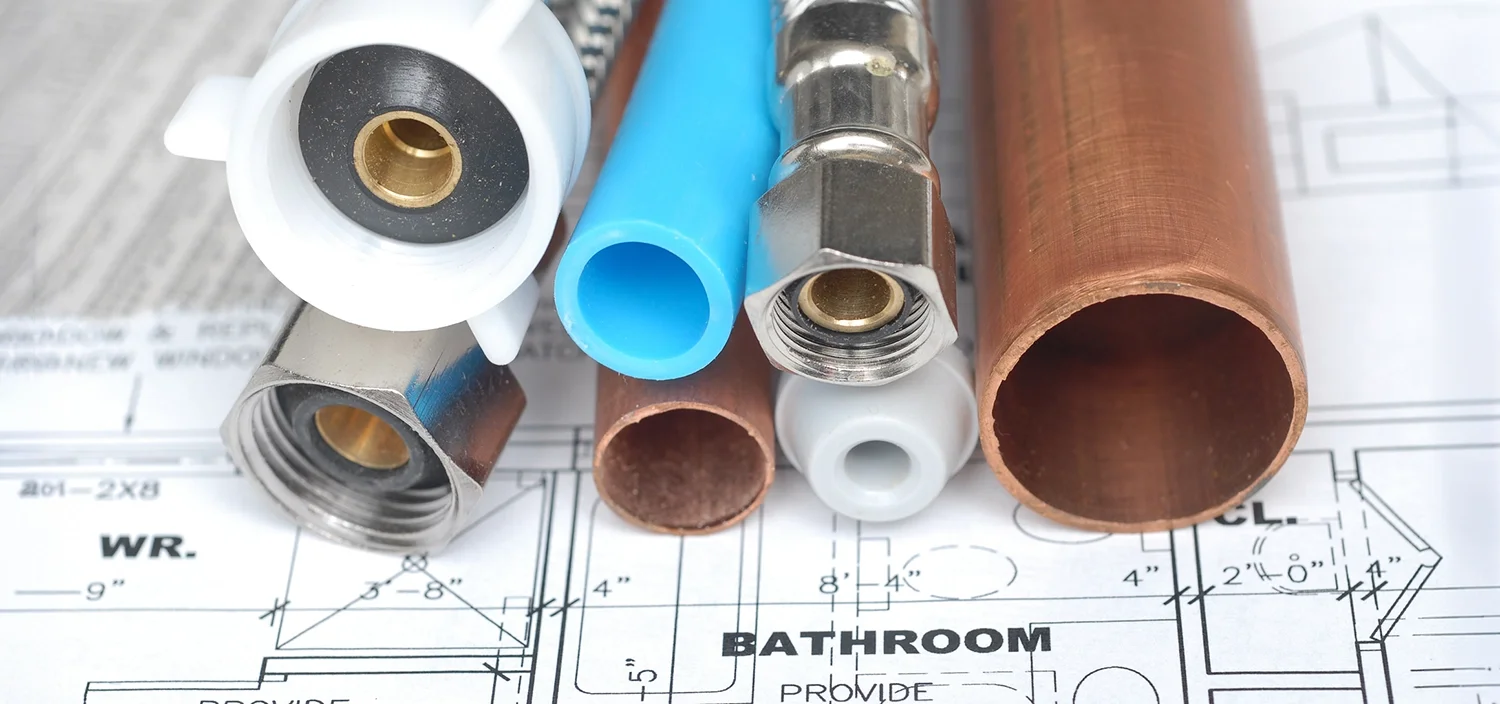
There are several options for piping materials on the market today, and each has its own distinct chemical properties, strengths, and temperature thresholds. The most common piping materials you will encounter in residential and commercial plumbing are Copper, PEX, PVC, and CPVC. These materials are not universally interchangeable. Some are engineered to handle boiling hot water under extreme pressure, while others will melt if exposed to temperatures over 140 degrees Fahrenheit.
Students spend a significant amount of time learning these materials when they enroll in a comprehensive Plumbing Training Program. Gaining a deep understanding of the pros, cons, and code requirements of each pipe type is the foundation of a successful career in the skilled trades.
In this guide, we will compare the four major types of plumbing pipes. We will break down their chemical makeup, their best use cases, and the strict building codes that govern how they are installed.
Key Takeaways
Copper: The traditional gold standard for potable water. It is highly durable and heat-resistant but requires expensive materials and labor-intensive soldering.
PEX (Cross-linked Polyethylene): A highly flexible, cost-effective plastic tubing used for hot and cold water distribution and hydronic heating. It cannot be exposed to UV sunlight.
PVC (Polyvinyl Chloride): A rigid plastic pipe primarily used for Drain, Waste, and Vent (DWV) systems and cold-water irrigation. It cannot withstand hot water.
CPVC (Chlorinated Polyvinyl Chloride): A chemically altered version of PVC designed to withstand high temperatures. It is commonly used for indoor hot and cold water supply lines.
Material Segregation: Pressurized water supply lines (Copper, PEX, CPVC) require entirely different materials than gravity-fed drainage lines (PVC, Cast Iron).
Why Material Selection Matters in Plumbing Systems
Modern plumbing is a highly calculated science. When a system is engineered correctly, it effortlessly manages extreme hydrostatic pressure, thermal expansion, and corrosive elements without the building occupants ever noticing.
Material selection is not a suggestion based on a plumber's personal preference. Every pipe is manufactured to fulfill a very specific role. Using the wrong material will inevitably lead to property damage. For example, if an amateur installs standard PVC pipe on a commercial water heater line, the plastic will rapidly warp, soften, and burst under the heat and pressure.
Professionals must also account for the chemical compatibility of the water itself. Highly acidic well water will slowly eat away at the inside of copper pipes, creating pinhole leaks. In those specific geographic areas, a plastic alternative like PEX is a much safer, longer-lasting choice.
Copper Plumbing Pipe: The Traditional Gold Standard
For decades, copper has been the undisputed king of indoor water distribution. It is a naturally occurring metal that is heated, extruded, and cooled to form incredibly strong, rigid pipes.
The Benefits of Copper
Copper is highly durable, does not degrade under UV light, and boasts a lifespan of 50 to 70 years under normal conditions. It easily withstands extreme heat and pressure, making it perfect for both hot and cold potable water lines. Furthermore, copper is biostatic, meaning it naturally inhibits the growth of bacteria inside the pipe.
The Drawbacks of Copper
The primary downside to copper is the cost. The price of the raw metal fluctuates wildly with global markets, making it very expensive for large-scale projects. Additionally, installing copper requires a skilled tradesperson to cut, clean, flux, and "sweat" (solder) every single joint with a blowtorch. This labor-intensive process significantly increases the installation time. Finally, copper is susceptible to freezing and bursting if not properly insulated in cold climates.
PEX Plumbing Pipe: The Modern Marvel
PEX, which stands for cross-linked polyethylene, is a flexible plastic tubing that has completely revolutionized the plumbing industry over the last twenty years.
The Benefits of PEX
PEX is highly affordable, incredibly flexible, and extremely fast to install. Instead of cutting and gluing dozens of rigid elbows to navigate around obstacles, a plumber can simply bend a continuous run of PEX tubing through a wall cavity. It expands slightly under pressure, making it much more resistant to bursting in freezing temperatures than rigid copper or PVC. It is the absolute go-to material for residential water supply repiping and hydronic radiant floor heating.
The Drawbacks of PEX
PEX has one major vulnerability: ultraviolet light. You cannot use PEX for outdoor, above-ground plumbing. Direct sunlight degrades the plastic rapidly, causing it to become brittle and shatter. Additionally, because it is a soft plastic, rodents like mice and rats have been known to chew through the tubing in infested basements or crawlspaces.
PVC Plumbing Pipe: The Champion of DWV
Polyvinyl Chloride (PVC) is the ubiquitous white plastic pipe you see in almost every modern basement. While it is incredibly useful, its applications are strictly limited by temperature.
The Benefits of PVC
PVC is lightweight, completely immune to rust and corrosion, and very inexpensive. It is the industry standard for Drain, Waste, and Vent (DWV) systems. Because DWV systems rely on gravity rather than pressure, the pipes must be wide and perfectly smooth inside to prevent solid waste from snagging. Schedule 40 PVC is the perfect material for this. It is easily cut with a saw and joined together using a chemical solvent cement (solvent welding) that permanently fuses the plastic together.
The Drawbacks of PVC
You cannot use standard PVC for hot water. Its maximum operating temperature is 140 degrees Fahrenheit. Prolonged exposure to hot water will cause the pipe to sag, warp, and eventually fail. While certain grades of PVC are approved for cold-water mains buried underground, it is rarely used for pressurized water distribution inside the walls of a home.
CPVC Plumbing Pipe: The High-Heat Plastic
Chlorinated Polyvinyl Chloride (CPVC) looks very similar to standard PVC, but it usually features an off-white or yellowish tint. The manufacturing process adds extra chlorine to the polymer chain, completely changing the pipe's thermal properties.
The Benefits of CPVC
The addition of chlorine allows CPVC to handle temperatures up to 200 degrees Fahrenheit. This makes it a perfectly acceptable, cost-effective alternative to copper for indoor hot and cold potable water lines. The extra chlorination also makes the pipe highly resistant to the chlorine chemicals already present in municipal tap water, which can slowly degrade other plastics over time.
The Drawbacks of CPVC
CPVC is more expensive than standard PVC, though it remains cheaper than copper. While it handles heat beautifully, it becomes somewhat brittle in very cold environments or as it ages, meaning it must be cut carefully to avoid cracking. You cannot mix PVC and CPVC pipe and fittings together, as they require entirely different types of solvent cements to bond correctly.
Comparing Common Plumbing Materials
| Material | Primary Application | Key Advantages | Common Limitations |
|---|---|---|---|
| Copper | Hot/Cold Water Supply | Extremely durable, heat-resistant | High material and labor costs |
| PEX | Hot/Cold Supply, Hydronics | Highly flexible, freeze-resistant | Severely degraded by UV sunlight |
| PVC | Drain, Waste, and Vent (DWV) | Low cost, corrosion-resistant | Melts/warps with hot water |
| CPVC | Hot/Cold Water Supply | High temperature tolerance | Becomes brittle with age/cold |
Code Considerations and Connection Methods
Local building codes dictate exactly which materials are legally permitted in your area. For example, certain high-rise commercial buildings require cast iron for drainage instead of PVC to meet strict fire-safety and acoustic requirements.
Furthermore, the plumbing code strictly dictates how these materials must be joined together. You cannot arbitrarily connect copper to galvanized steel, as it creates a chemical reaction called galvanic corrosion. You must use a specialized dielectric union to separate the metals. Plumbers must stay constantly updated on these material regulations, which is a major focus of the continuing education required for your NJ Plumbing License renewal.
Common Beginner Misconceptions About Plumbing Materials
Beginner plumbers and DIY enthusiasts often fall victim to dangerous misconceptions regarding piping materials.
The most common mistake is assuming that "plastic is plastic." An amateur might try to use leftover PVC to repair a hot water line, or attempt to use flexible PEX tubing for a drainage line. DWV systems demand large, rigid pipes (like PVC or cast iron) to maintain the proper slope for gravity drainage. PEX is far too flexible and prone to sagging to ever be used for waste removal.
Another misconception is that the cheapest material is always the best choice for the budget. While PEX is cheaper than copper, installing it requires specialized, expensive expansion or crimping tools. Understanding the total cost of materials, specialized fittings, and required labor is a skill that takes years to master.
Launch Your Career in the Skilled Trades
Learning these materials is what transforms a beginner into a professional. The journey to a Master Plumber License in New Jersey is a rigorous, formalized process that requires dedicated classroom education and thousands of hours of hands-on field experience.
Choosing a quality Plumbing School in New Jersey is the most effective way to start this journey. The Training Center offers hands-on plumbing training classes designed to help students grasp the complex science of system design. Through expert-led training in professional-grade labs, students learn the properties of copper, PEX, PVC, and CPVC. We equip students with the skills and code knowledge required to launch a successful career in the skilled trades.