DWV Plumbing Basics: Traps, Vents, Slope, and Cleanouts
Indoor plumbing is an everyday necessity built upon highly calculated systems that keep homes and commercial buildings clean, comfortable, and safe. While water supply lines bring pressurized, potable water into a building, the second half of the equation is much more complex. This is the Drain, Waste, and Vent (DWV) system, which is strictly responsible for safely removing sewage and wastewater into municipal sewers or private septic tanks.
Hidden inside the walls and beneath the floors, a properly designed DWV system does much more than just move water. It prevents lethal sewer gases from entering living spaces, stops pipes from gurgling, and utilizes exact gravitational math to prevent clogs.
Learning the physics and code requirements of DWV systems is one of the most critical hurdles for aspiring plumbers. By enrolling in a quality Plumbing Training Program, students learn to perfectly design, pitch, and install these complex networks.
In this guide, we will break down the fundamentals of Drain, Waste, and Vent systems. We will explore the vital roles of traps, vents, pipe slope, and cleanouts to help you understand how these hidden networks function.
Key Takeaways
The DWV System: A gravity-fed plumbing network that removes wastewater while safely venting toxic sewer gases out through the roof of a building.
Traps: Curved sections of pipe located beneath every fixture that hold a small barrier of water, physically blocking sewer gas from entering the room.
Vents: Dry pipes that introduce atmospheric pressure into the drainage system, preventing the suction that would otherwise siphon water out of the traps.
Pipe Slope (Pitch): Drainage pipes must be angled at an exact, code-mandated decline (typically 1/4-inch per foot) to ensure liquids and solids flow at the same speed.
Cleanouts: Capped access points required by code at specific intervals, allowing plumbers to clear blockages with heavy machinery.
What is a DWV System and How Does it Work?
A DWV system is a massive, interconnected web of pipes designed to utilize gravity and atmospheric pressure to manage wastewater.
Unlike water supply pipes, which are small and highly pressurized, DWV pipes are large and completely unpressurized. When you flush a toilet or drain a sink, the wastewater enters a horizontal drain pipe. This drain pipe connects to a larger vertical pipe called a "soil stack" or "waste stack," which carries the sewage down and out to the municipal sewer line.
Simultaneously, the top of that vertical stack extends upward, passing right through the roof of the building. This open pipe serves as the main vent, pulling fresh outdoor air into the system to keep the water flowing smoothly.
Plumbing codes dictate every single millimeter of a DWV system. The National Standard Plumbing Code (NSPC) strictly regulates the diameter of the pipes, the exact types of fittings used to connect them, and the distances allowed between fixtures.
Plumbing Traps: The Barrier Against Sewer Gas
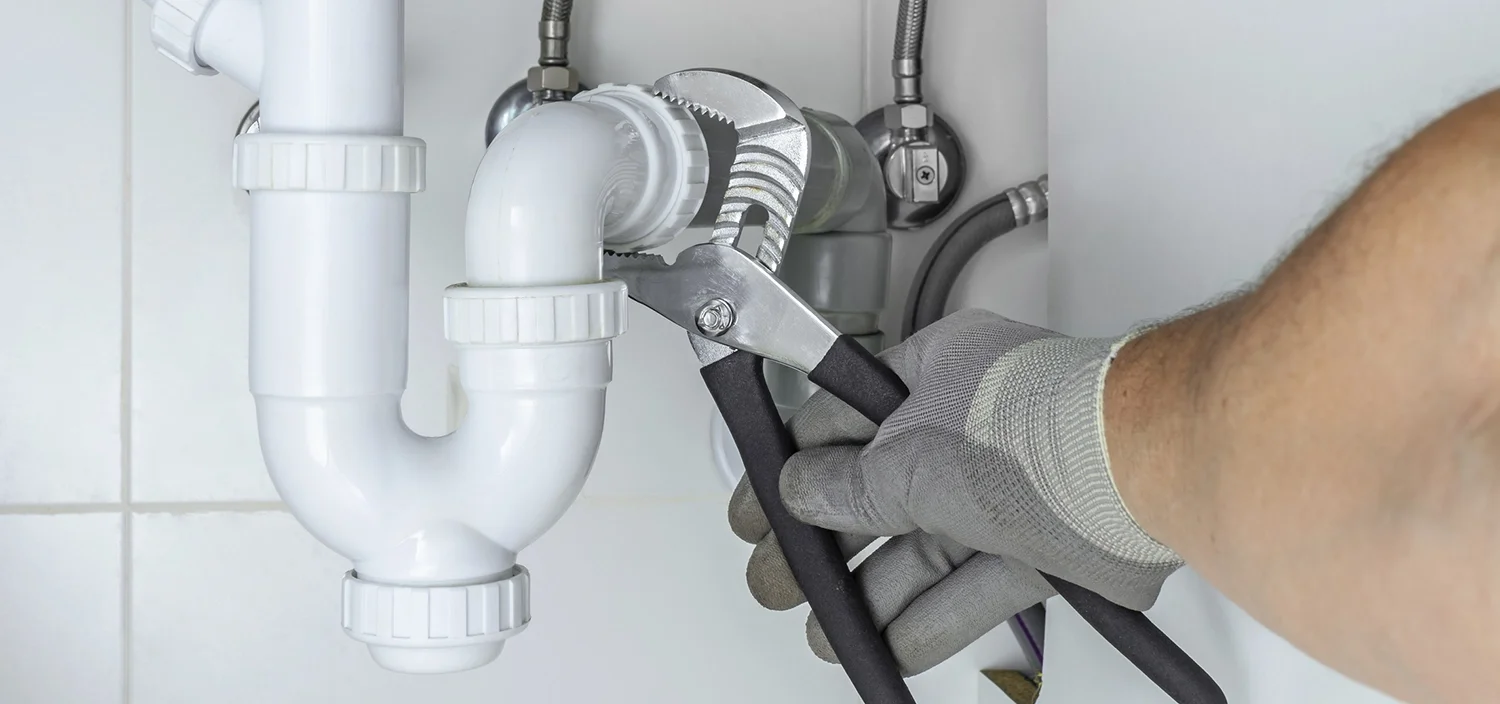
Drain traps are the unsung heroes of public health. Located directly beneath toilets, sinks, tubs, and floor drains, traps are curved pieces of pipe designed to catch and hold a small amount of water every time the fixture is used.
This small reservoir of water is called the "trap seal." It creates an impenetrable physical barrier that prevents toxic, highly flammable sewer gases (like methane and hydrogen sulfide) from rising up the pipe and entering the building.
Professionals must be familiar with the following trap designs:
P-Traps: The universal standard in modern plumbing. Shaped like a sideways "P" or "U," these are found under almost every sink and shower in the country.
S-Traps: Shaped like an "S," these were heavily used in the early 20th century. However, they are now strictly prohibited in new construction because their shape causes the water seal to easily siphon out, leaving the home unprotected against sewer gas.
Building Traps (House Traps): Common in older New Jersey municipalities, this is a massive trap located on the main sewer line just before it exits the building. They require a specialized "fresh air inlet" to function correctly.
Venting: The Science of Atmospheric Pressure
The "V" in DWV is the most misunderstood component of plumbing by beginners. Without proper ventilation, a drainage system will completely fail.
To understand venting, imagine holding a drinking straw filled with water. If you cover the top of the straw with your thumb, the water stays trapped inside. The moment you remove your thumb, air rushes in, and the water flows out freely. A DWV system works on the exact same principle.
Vent pipes introduce atmospheric pressure into the drainage lines. If a sink is not properly vented, the rush of wastewater traveling down the pipe creates a massive vacuum behind it. This negative pressure will literally suck the water right out of the P-trap, leaving the pipe completely open for sewer gas to pour into the room.
Gurgling drains, slow-draining sinks, and foul odors are almost always symptoms of a blocked or improperly designed vent system.
The Exact Math Behind Pipe Slope (Pitch)
Sloping, also known as "pitch," is the gravitational engine of the DWV system. Because there is no water pressure pushing the waste, the horizontal pipes must be angled slightly downward to keep the sewage moving.
Many beginners assume that a steeper slope is better, but this is a dangerous misconception. The physics of plumbing require a "Goldilocks" approach.
Too Flat: If the pipe is level, the waste will sit stagnant, causing immediate clogs.
Too Steep: If the pipe is sloped too aggressively, the water will run too fast, completely outrunning the solid waste. The liquids will drain away, leaving the solids stranded inside the pipe to dry out and form massive blockages.
To prevent this, the NSPC enforces strict mathematical grades. For standard residential drain pipes (3 inches in diameter or smaller), the pipe must slope exactly 1/4-inch per foot. For larger underground sewer mains (4 inches or larger), the code often permits a slope of 1/8-inch per foot.
Cleanouts: Vital Access for Maintenance
Even a perfectly designed DWV system will occasionally encounter blockages from tree roots, grease buildup, or foreign objects. Plumbers must have a way to access the interior of the pipes to clear these clogs without destroying the walls or foundation of the building.
Cleanouts are dedicated access points built directly into the drainage system. They typically look like a Y-shaped pipe fitting capped with a threaded plug featuring a square nut.
New Jersey plumbing code dictates exactly where cleanouts must be installed. They are legally required at the base of every vertical stack, at every change of direction greater than 45 degrees, and at regular intervals along long horizontal runs. When a blockage occurs, a plumber simply unscrews the cleanout plug and inserts a mechanical drain snake or inspection camera to clear the line safely.
Comparing Key DWV Components
| DWV Component | Primary Function | Symptoms of Improper Installation |
|---|---|---|
| P-Traps | Blocks toxic sewer gases | Foul odors, illegal S-trap siphoning |
| Vents | Balances atmospheric pressure | Gurgling drains, slow water flow |
| Sloped Pipes | Moves waste at the correct speed | Constant clogs, stranded solid waste |
| Cleanouts | Provides access for drain cleaning | Destruction of walls to reach blockages |
Common Beginner Mistakes in DWV Plumbing
Designing a DWV system requires incredible precision. A single illegal fitting or incorrect measurement can trigger a chain reaction of failures.
One of the most frequent beginner mistakes is improper "trap arm" length. The code strictly dictates the maximum distance a P-trap can be placed from its vent. If the trap is installed too far away, the vent cannot provide enough air, resulting in constant siphoning.
Another major error is utilizing the wrong fittings. Beginners will often use a standard "Sanitary Tee" fitting to transition a pipe from vertical to horizontal. Under the NSPC, this is strictly prohibited because it restricts flow. A professional knows they must use a "Wye and 1/8 bend" fitting to maintain a smooth, sweeping curve for the waste to travel through.
NSPC Code Compliance and Inspections
Fortunately for public safety, DWV systems are heavily regulated and thoroughly inspected. Before a plumber is allowed to close the walls on a new construction project, a municipal inspector will arrive to perform a "rough-in" inspection.
During this inspection, the plumber must seal the entire DWV system and fill it completely to the roof with water (or pressurized air). The inspector will check every single joint for leaks, verify the 1/4-inch pipe slope with a level, and ensure every fitting is legally compliant with the NSPC. To consistently pass these rigorous inspections, licensed plumbers must stay constantly updated on building codes, which is why continuing education for your NJ Plumbing License renewal is so vital.
Launch a Career in the Plumbing Industry
Drain, Waste, and Vent systems are the undisputed core of the plumbing profession. Mastering the intricate physics, strict codes, and complex mathematics behind these systems is what separates a certified professional from a hobbyist.
The most effective way to learn these skills is through expert-led, hands-on instruction. The Training Center is a top-rated Plumbing School in New Jersey dedicated to helping students launch highly successful careers. Our plumbing classes provide trainees with the exact blend of classroom theory and real world experience needed to learn DWV installation. We equip our students with the skills required to accurately pitch pipes, perfectly vent fixtures, easily pass municipal inspections, and thrive as licensed professionals in the skilled trades.